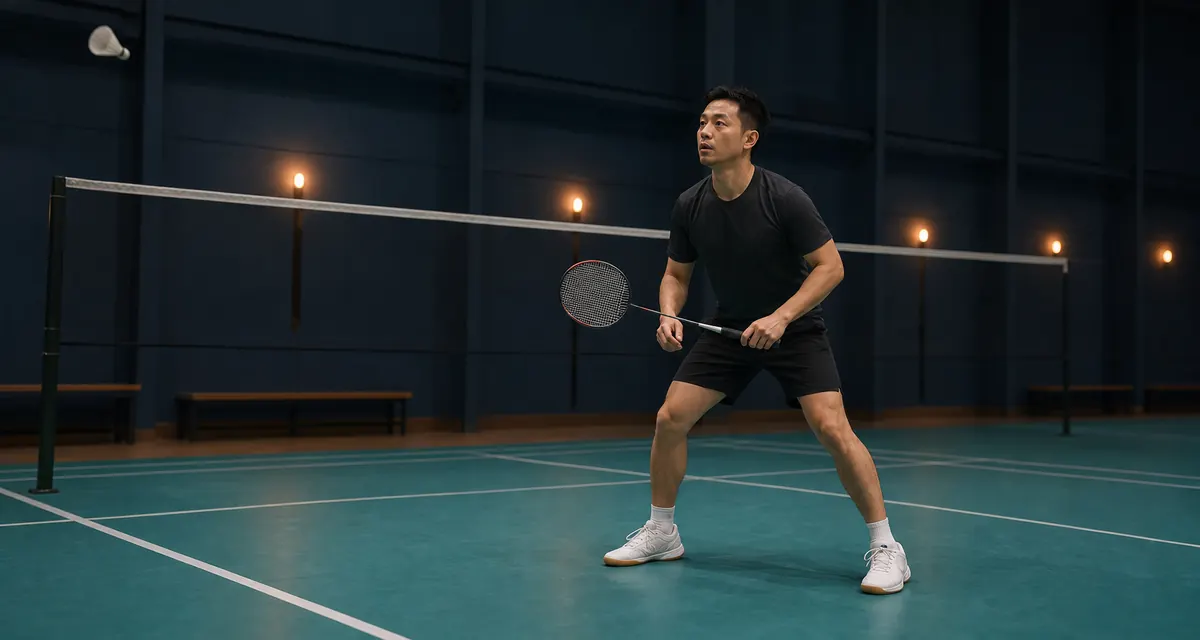
1. Prepare
Reach a balanced position with enough time and space for a controlled action.

Build the shot one decision at a time
Dribon breaks badminton skills into preparation, movement, contact, shuttle direction, and recovery. Start without pressure, use clear court targets, and add speed only while the action remains controlled.
Learn the cross-court clearAn article cannot assess your movement or replace qualified coaching. Warm up, increase the workload in stages, stop if a movement causes pain, and seek appropriate help for persistent discomfort.
The launch guides use source-based editorial review informed by established badminton coaching principles and Badminton World Federation education material where it addresses the skill. Dribon does not claim that a qualified coach has reviewed a specific demonstration unless the reviewer's identity, credentials, and participation have been verified.
Grip labels and teaching cues can vary between coaching systems. The guides describe the hand position, pressure change, contact point, racket face, shuttle path, and court target so you can understand the action without relying on one label.
Use a coach for feedback when a movement remains uncomfortable, inconsistent, or difficult to interpret. Video recorded from a safe position can help you and a coach compare preparation, contact, landing, and recovery.
Reach a balanced position with enough time and space for a controlled action.
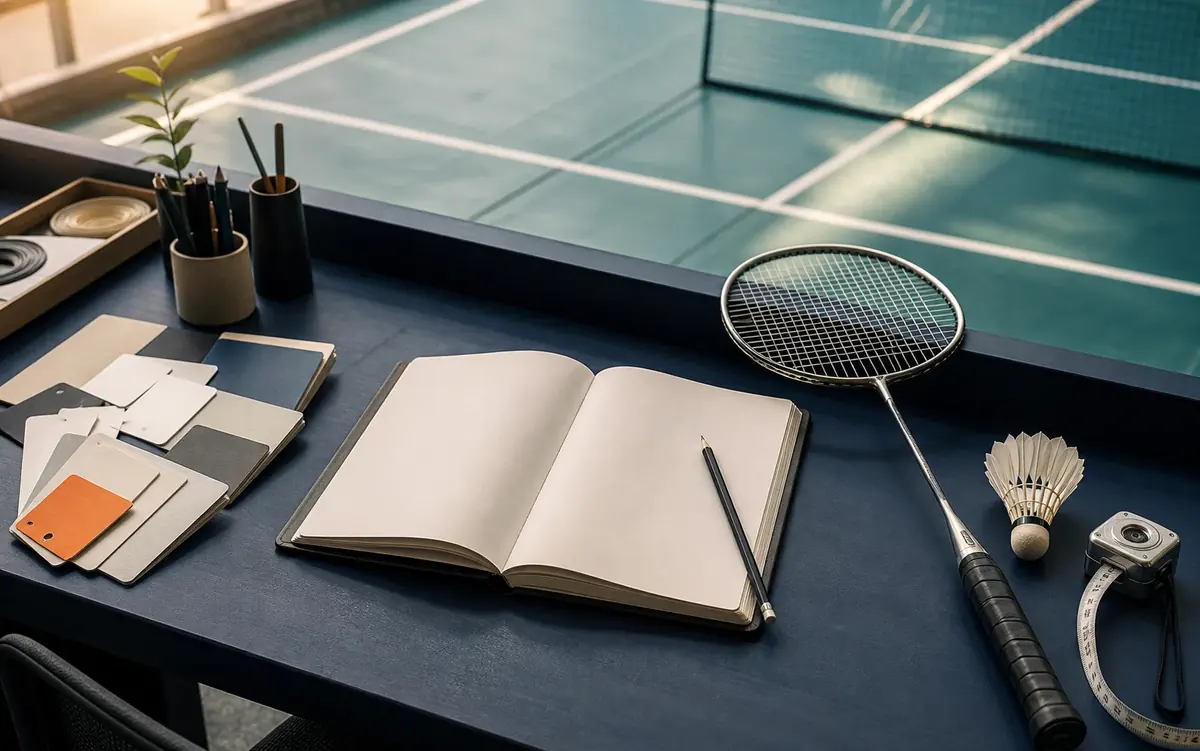
Track the shuttle and develop a repeatable contact point without forcing an extreme wrist position.
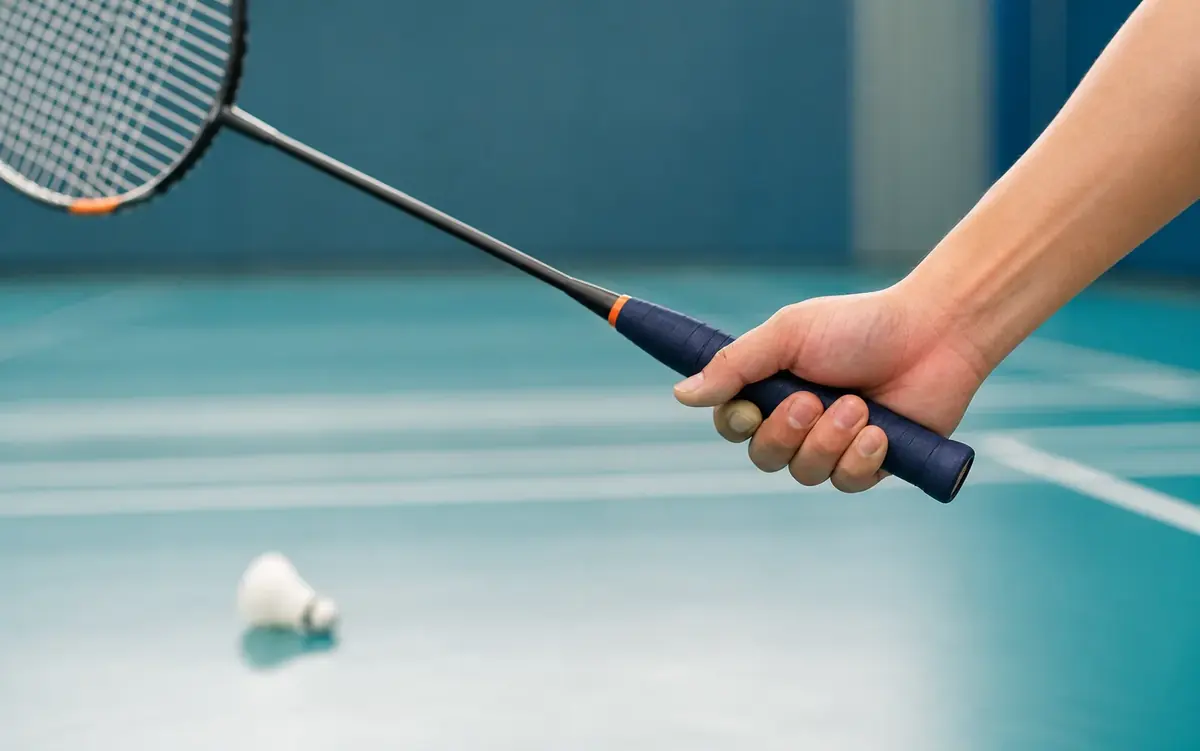
Coordinate grip pressure, finger action, racket-face angle, swing path, height, and pace.
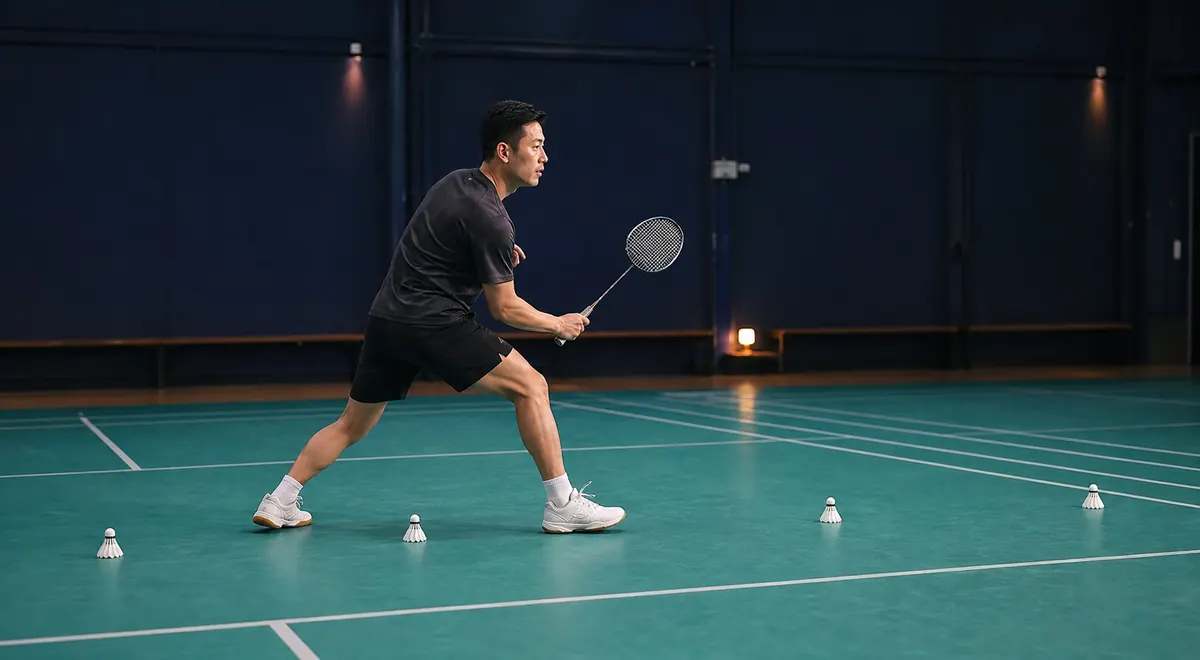
Land under control, move toward a useful base, and prepare for the likely reply.
Primary references
Technique and equipment terminology is checked against the Badminton World Federation Shuttle Time programme and the current BWF Laws of Badminton. These are document sources, not a claim of individual coaching review.
Technique guide
The forehand clear guide covers movement, preparation, contact, shuttle flight and recovery, with progressive practice and common mistakes to watch for.
Cross-court clears: attacking and defensive techniqueCompare flatter attacking trajectories with higher defensive clears, including tactical use, contact, recovery, drills, and corrections.Grip for cross-court shots: forehand and backhand controlLearn relaxed forehand, thumb, and bevel foundations, then apply small pressure and racket-face adjustments to specific shots.Begin with shadow movement when learning a grip or action. Add controlled feeds, then alternate between straight and cross-court targets. Use live rallies after you can reach, strike, and recover without rushing the movement.
Judge each attempt by balance, contact quality, shuttle flight, landing area, and recovery. A shuttle crossing the net does not prove that the repetition met the drill goal.
Keep sessions short enough to maintain technique. Rest when grip tension rises, footwork loses control, or contact starts moving behind the body. More repetitions are useful only while they preserve the skill you intended to practise.
Singles and doubles create different recovery demands. A singles cross-court shot can open the straight side of your court. Doubles opponents may intercept flatter shots sooner, and your pair may need to change formation after a high defensive clear.
Preparation and recovery connect every stroke. Develop split-step timing, movement to the rear court, lunge control, and a return to base alongside racket skills.
Serve and return practice should cover legal contact, repeatable placement, readiness for the third shot, and differences between singles and doubles. Net play should progress from stable contact to movement and decision-making.
Overhead development should include straight clears before riskier directional options, plus smash preparation that does not sacrifice balance. Defensive work should cover racket readiness, blocks, lifts, drives, and recovery after contact.
These subjects will receive dedicated guides when Dribon can provide enough original instruction and an appropriate technical review process.
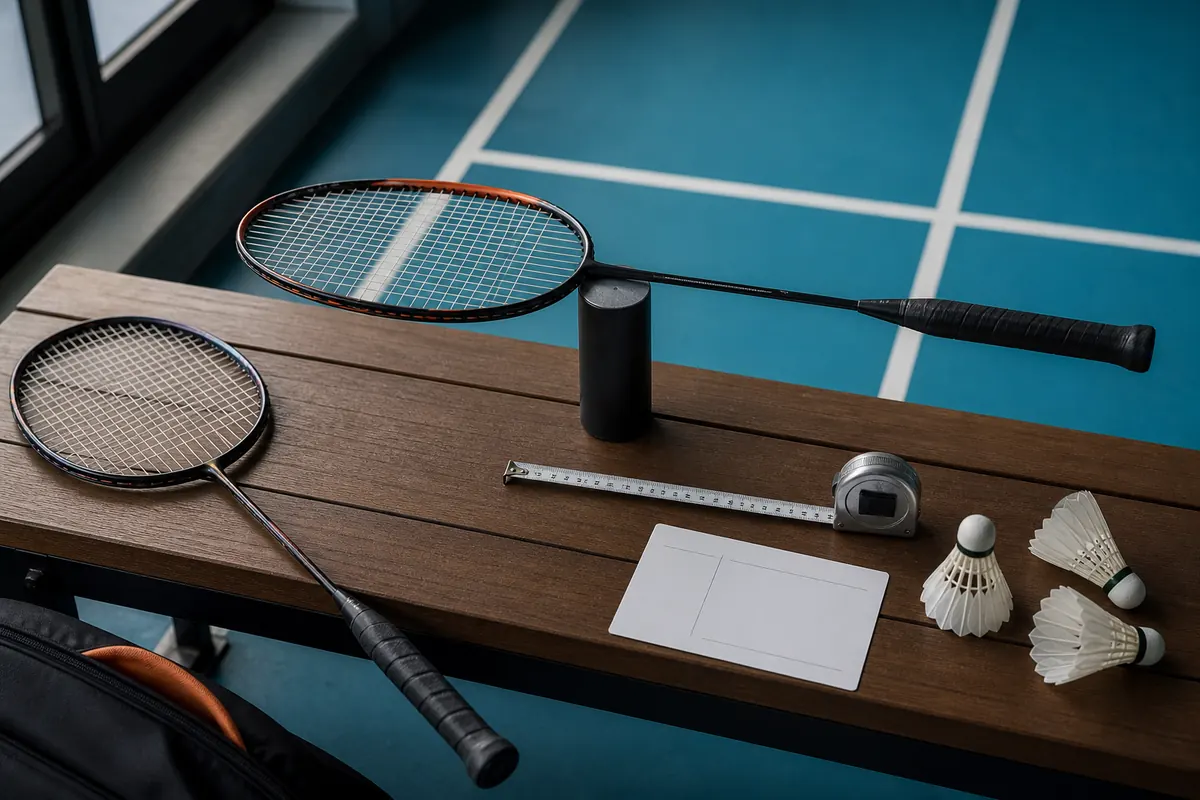 Badminton gear libraryUnderstand racket specifications and stringing condition without treating equipment as a substitute for technique.
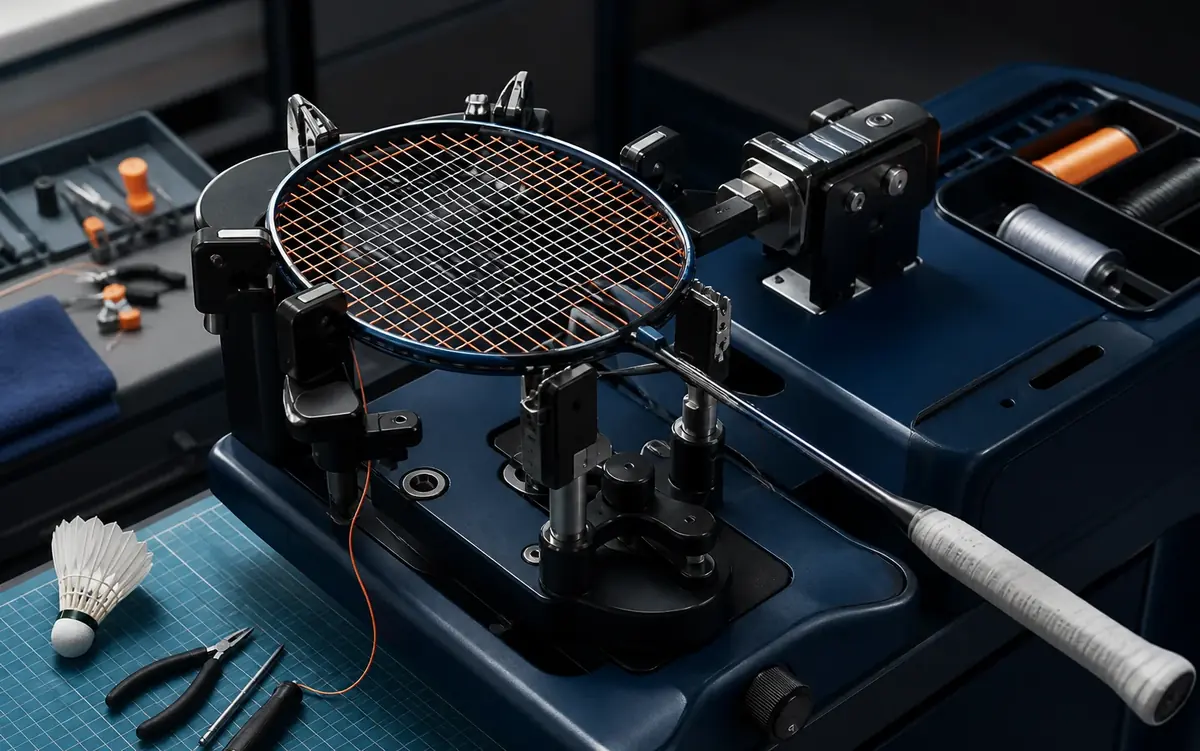 Apacs Dual Power & Speed unstrung referenceSee how an unstrung racket's setup and variant details are evaluated.
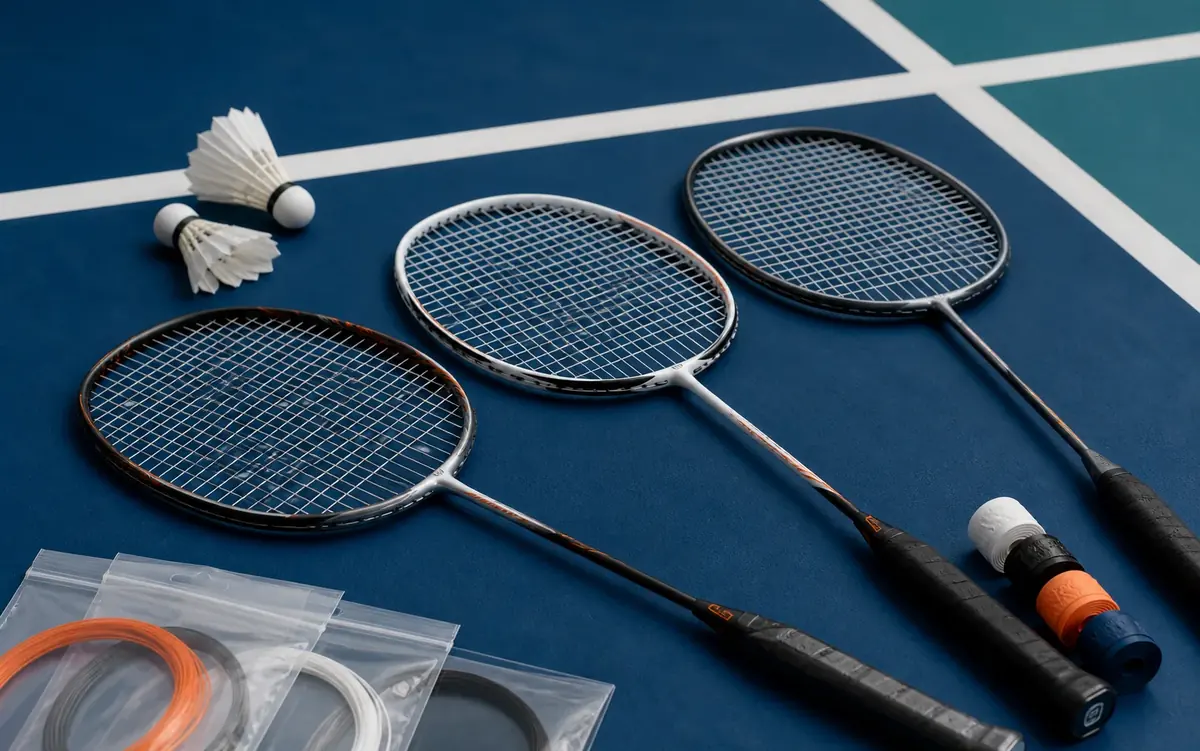 Li-Ning SS 68 G4 referenceReview the naming and condition checks needed for an older racket.
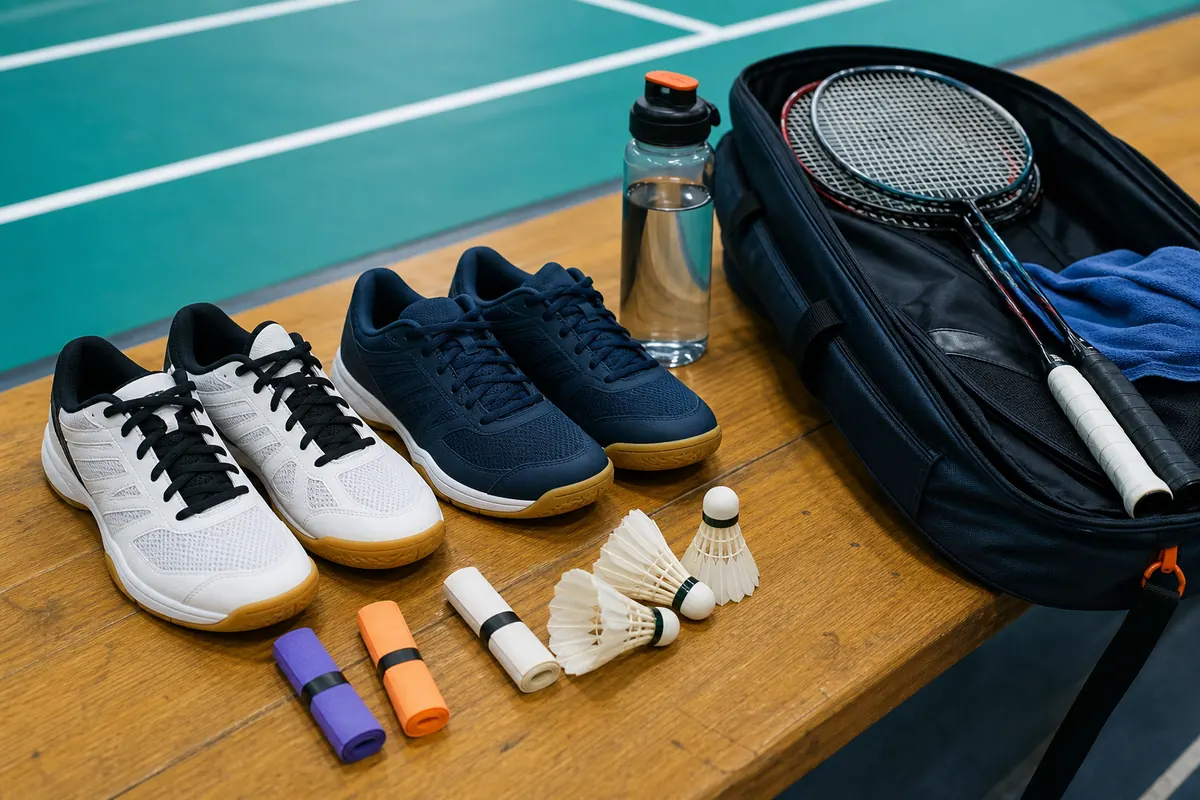 Editorial policyRead the standards for technical sources, reviewer claims, corrections, and equipment links.About DribonLearn how the site's equipment and technique coverage is funded and maintained.